 MG GlobalMed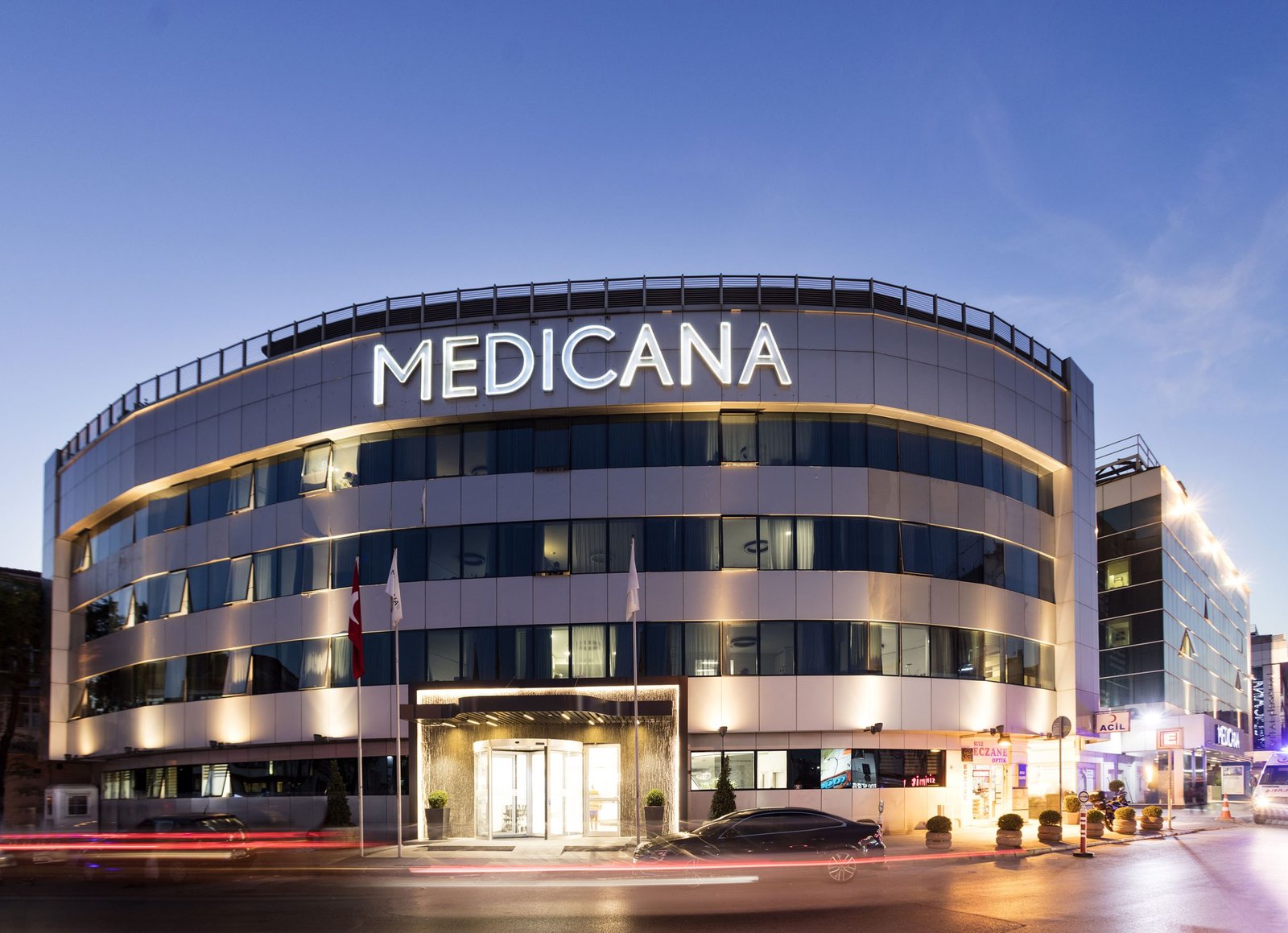

International Hospital · Türkiye
Medicana Health Group
- City
- Istanbul
- Established
- 1992
- Check-Up Programs
- 6
- Referral Agreement
- Signed & Active
Why patients are referred to Medicana Health Group
An established hospital network
Founded in 1992. Operates hospitals across Istanbul, Ankara, Izmir, Konya, Samsun, Sivas and Bursa, employing more than 12,000 medical staff.
A dedicated international patient department
A dedicated international patient office supports admission coordination, interpreting, and the medical travel documentation required for treatment in Türkiye.
Interpreting and travel-document support on site
The hospital's international patient team provides interpreting during your visit and helps with the paperwork medical travel requires.
One coordinated point of contact
MG GlobalMed Connect is an authorised intermediary under a signed agreement with Medicana Health Group. We handle the introduction, document flow and travel logistics so you deal with one point of contact throughout.
Why Choose Medicana Health Group
Highly Experienced Specialists
Consultants across major specialties, many with international training and publication records.
Modern Hospitals
Purpose-built hospital campuses across Türkiye, designed around international patient flow.
Latest Medical Technology
Ongoing investment in diagnostic and treatment equipment across the network — see Advanced Medical Technologies below.
International Patient Department
A dedicated team handles admission coordination, documentation and day-to-day support for patients travelling from abroad.
Fast Appointment Scheduling
International patient cases are prioritised so a treatment plan and cost estimate can be confirmed quickly.
Multilingual Coordinators
Interpreting support is available so language isn't a barrier to understanding your care.
Private Patient Rooms
Private inpatient rooms are available for international patients at most locations.
24/7 Medical Care
Inpatient units and emergency departments operate around the clock.
Comprehensive Diagnostics
On-site laboratory and imaging services support same-visit diagnosis in most cases.
Advanced Surgical Techniques
Minimally invasive and robotic-assisted surgical options are available for many procedures — confirmed case by case.
Affordable World-Class Care
Treatment costs are typically lower than equivalent private care in Western Europe or North America, without compromising the standard of the facility.
Personalized Treatment Plans
Every case is reviewed individually by the treating specialist before a plan and cost estimate are issued.
Comfort & Recovery Support
Post-treatment recovery is supported with structured follow-up before you travel home.
Specialties We Coordinate Here
These reflect the breadth of care available across the network — the exact specialists, technology, and treatment approach for your case are confirmed individually once your file is reviewed.
Conditions commonly referred: A wide range of solid-tumour and blood cancers, from diagnosis through to active treatment.
What treatment typically involves: Multidisciplinary oncology care spanning surgery, chemotherapy, and radiotherapy, planned around each patient's specific diagnosis.
What MG coordinates: We coordinate the referral, translate the treatment proposal and cost estimate into plain terms, and handle travel logistics — the treatment itself is planned and delivered entirely by the hospital's own clinical team.
Conditions commonly referred: Coronary artery disease, valve disease, arrhythmia, and other structural heart conditions.
What treatment typically involves: Diagnostic cardiology through to interventional and surgical treatment, depending on what the case requires.
What MG coordinates: We coordinate the referral, translate the treatment proposal and cost estimate into plain terms, and handle travel logistics — the treatment itself is planned and delivered entirely by the hospital's own clinical team.
Conditions commonly referred: Conditions requiring open-heart or vascular surgery, including bypass and valve repair or replacement.
What treatment typically involves: Surgical treatment planned by a cardiac surgery team, with pre- and post-operative care on site.
What MG coordinates: We coordinate the referral, translate the treatment proposal and cost estimate into plain terms, and handle travel logistics — the treatment itself is planned and delivered entirely by the hospital's own clinical team.
Conditions commonly referred: Stroke, epilepsy, movement disorders, and other conditions of the brain and nervous system.
What treatment typically involves: Neurological assessment, imaging-led diagnosis, and medical management.
What MG coordinates: We coordinate the referral, translate the treatment proposal and cost estimate into plain terms, and handle travel logistics — the treatment itself is planned and delivered entirely by the hospital's own clinical team.
Conditions commonly referred: Brain and spinal conditions requiring surgical intervention, including tumours and vascular abnormalities.
What treatment typically involves: Surgical treatment planned by a neurosurgical team, supported by advanced imaging.
What MG coordinates: We coordinate the referral, translate the treatment proposal and cost estimate into plain terms, and handle travel logistics — the treatment itself is planned and delivered entirely by the hospital's own clinical team.
Conditions commonly referred: Fractures, joint conditions, and musculoskeletal injuries.
What treatment typically involves: Non-surgical and surgical orthopaedic treatment depending on the diagnosis.
What MG coordinates: We coordinate the referral, translate the treatment proposal and cost estimate into plain terms, and handle travel logistics — the treatment itself is planned and delivered entirely by the hospital's own clinical team.
Conditions commonly referred: Advanced arthritis and joint damage affecting hips, knees, and other major joints.
What treatment typically involves: Hip and knee replacement surgery with a structured rehabilitation plan.
What MG coordinates: We coordinate the referral, translate the treatment proposal and cost estimate into plain terms, and handle travel logistics — the treatment itself is planned and delivered entirely by the hospital's own clinical team.
Conditions commonly referred: Disc disease, spinal deformity, and other conditions of the spine.
What treatment typically involves: Non-surgical management through to spinal surgery, depending on severity.
What MG coordinates: We coordinate the referral, translate the treatment proposal and cost estimate into plain terms, and handle travel logistics — the treatment itself is planned and delivered entirely by the hospital's own clinical team.
Conditions commonly referred: Sports-related injuries to muscles, tendons, ligaments, and joints.
What treatment typically involves: Diagnosis and treatment ranging from physiotherapy to surgical repair.
What MG coordinates: We coordinate the referral, translate the treatment proposal and cost estimate into plain terms, and handle travel logistics — the treatment itself is planned and delivered entirely by the hospital's own clinical team.
Conditions commonly referred: End-stage organ failure where transplantation is being considered as a treatment option.
What treatment typically involves: Transplant assessment and surgery, subject to the hospital's own eligibility and donor-matching process.
What MG coordinates: We coordinate the referral, translate the treatment proposal and cost estimate into plain terms, and handle travel logistics — the treatment itself is planned and delivered entirely by the hospital's own clinical team.
Conditions commonly referred: End-stage kidney disease.
What treatment typically involves: Living or deceased-donor kidney transplantation, subject to eligibility assessment.
What MG coordinates: We coordinate the referral, translate the treatment proposal and cost estimate into plain terms, and handle travel logistics — the treatment itself is planned and delivered entirely by the hospital's own clinical team.
Conditions commonly referred: End-stage liver disease.
What treatment typically involves: Living or deceased-donor liver transplantation, subject to eligibility assessment.
What MG coordinates: We coordinate the referral, translate the treatment proposal and cost estimate into plain terms, and handle travel logistics — the treatment itself is planned and delivered entirely by the hospital's own clinical team.
Conditions commonly referred: Certain blood cancers and blood disorders.
What treatment typically involves: Stem cell / bone marrow transplantation as part of a wider haematology treatment plan.
What MG coordinates: We coordinate the referral, translate the treatment proposal and cost estimate into plain terms, and handle travel logistics — the treatment itself is planned and delivered entirely by the hospital's own clinical team.
Conditions commonly referred: Infertility and conditions affecting conception.
What treatment typically involves: Fertility assessment and assisted reproduction treatment, including IVF.
What MG coordinates: We coordinate the referral, translate the treatment proposal and cost estimate into plain terms, and handle travel logistics — the treatment itself is planned and delivered entirely by the hospital's own clinical team.
Conditions commonly referred: Gynaecological conditions across all life stages.
What treatment typically involves: Diagnosis and treatment ranging from routine gynaecological care to surgery.
What MG coordinates: We coordinate the referral, translate the treatment proposal and cost estimate into plain terms, and handle travel logistics — the treatment itself is planned and delivered entirely by the hospital's own clinical team.
Conditions commonly referred: General and specialist paediatric conditions.
What treatment typically involves: Paediatric assessment and treatment in a setting designed for children.
What MG coordinates: We coordinate the referral, translate the treatment proposal and cost estimate into plain terms, and handle travel logistics — the treatment itself is planned and delivered entirely by the hospital's own clinical team.
Conditions commonly referred: Surgical conditions in infants, children, and adolescents.
What treatment typically involves: Surgery performed by clinicians specialising in paediatric care.
What MG coordinates: We coordinate the referral, translate the treatment proposal and cost estimate into plain terms, and handle travel logistics — the treatment itself is planned and delivered entirely by the hospital's own clinical team.
Conditions commonly referred: General adult medical conditions, often the first point of assessment.
What treatment typically involves: Diagnosis and ongoing management, referring on to a specialist department where needed.
What MG coordinates: We coordinate the referral, translate the treatment proposal and cost estimate into plain terms, and handle travel logistics — the treatment itself is planned and delivered entirely by the hospital's own clinical team.
Conditions commonly referred: A broad range of conditions requiring surgical treatment.
What treatment typically involves: Surgical assessment and treatment across general surgical specialties.
What MG coordinates: We coordinate the referral, translate the treatment proposal and cost estimate into plain terms, and handle travel logistics — the treatment itself is planned and delivered entirely by the hospital's own clinical team.
Conditions commonly referred: Reconstructive needs following illness, injury, or congenital conditions, as well as aesthetic procedures.
What treatment typically involves: Reconstructive and aesthetic surgical treatment planned individually.
What MG coordinates: We coordinate the referral, translate the treatment proposal and cost estimate into plain terms, and handle travel logistics — the treatment itself is planned and delivered entirely by the hospital's own clinical team.
Conditions commonly referred: Severe obesity where non-surgical treatment has not been effective.
What treatment typically involves: Bariatric surgical procedures, subject to medical assessment and eligibility.
What MG coordinates: We coordinate the referral, translate the treatment proposal and cost estimate into plain terms, and handle travel logistics — the treatment itself is planned and delivered entirely by the hospital's own clinical team.
Conditions commonly referred: General and specialist dental conditions.
What treatment typically involves: Dental treatment ranging from routine care to more complex procedures.
What MG coordinates: We coordinate the referral, translate the treatment proposal and cost estimate into plain terms, and handle travel logistics — the treatment itself is planned and delivered entirely by the hospital's own clinical team.
Conditions commonly referred: Vision conditions including cataracts and refractive error.
What treatment typically involves: Ophthalmic assessment and treatment, including surgical options.
What MG coordinates: We coordinate the referral, translate the treatment proposal and cost estimate into plain terms, and handle travel logistics — the treatment itself is planned and delivered entirely by the hospital's own clinical team.
Conditions commonly referred: Conditions of the ear, nose, and throat.
What treatment typically involves: ENT assessment and treatment, from medical management to surgery.
What MG coordinates: We coordinate the referral, translate the treatment proposal and cost estimate into plain terms, and handle travel logistics — the treatment itself is planned and delivered entirely by the hospital's own clinical team.
Conditions commonly referred: Skin, hair, and nail conditions.
What treatment typically involves: Dermatological assessment and treatment.
What MG coordinates: We coordinate the referral, translate the treatment proposal and cost estimate into plain terms, and handle travel logistics — the treatment itself is planned and delivered entirely by the hospital's own clinical team.
Conditions commonly referred: Hormonal conditions including diabetes and thyroid disorders.
What treatment typically involves: Diagnosis and ongoing medical management.
What MG coordinates: We coordinate the referral, translate the treatment proposal and cost estimate into plain terms, and handle travel logistics — the treatment itself is planned and delivered entirely by the hospital's own clinical team.
Conditions commonly referred: Conditions of the urinary tract and male reproductive system.
What treatment typically involves: Urological assessment and treatment, including surgical options.
What MG coordinates: We coordinate the referral, translate the treatment proposal and cost estimate into plain terms, and handle travel logistics — the treatment itself is planned and delivered entirely by the hospital's own clinical team.
Conditions commonly referred: Digestive system conditions.
What treatment typically involves: Diagnostic endoscopy and medical management of digestive conditions.
What MG coordinates: We coordinate the referral, translate the treatment proposal and cost estimate into plain terms, and handle travel logistics — the treatment itself is planned and delivered entirely by the hospital's own clinical team.
Conditions commonly referred: Lung and respiratory conditions.
What treatment typically involves: Respiratory assessment and medical management.
What MG coordinates: We coordinate the referral, translate the treatment proposal and cost estimate into plain terms, and handle travel logistics — the treatment itself is planned and delivered entirely by the hospital's own clinical team.
Conditions commonly referred: Recovery needs following surgery, injury, or illness.
What treatment typically involves: Structured physiotherapy and rehabilitation programmes.
What MG coordinates: We coordinate the referral, translate the treatment proposal and cost estimate into plain terms, and handle travel logistics — the treatment itself is planned and delivered entirely by the hospital's own clinical team.
Conditions commonly referred: General health risk assessment.
What treatment typically involves: Screening and preventive-care consultations.
What MG coordinates: We coordinate the referral, translate the treatment proposal and cost estimate into plain terms, and handle travel logistics — the treatment itself is planned and delivered entirely by the hospital's own clinical team.
Conditions commonly referred: General wellbeing and early detection of common conditions.
What treatment typically involves: Structured check-up packages combining consultations, imaging and laboratory testing.
What MG coordinates: We coordinate the referral, translate the treatment proposal and cost estimate into plain terms, and handle travel logistics — the treatment itself is planned and delivered entirely by the hospital's own clinical team.
Advanced Technologies
Technologies used across our referral network — availability varies by location and is confirmed with you individually during referral.
Robotic Surgery
Robotic-assisted systems allow surgeons to perform certain procedures through smaller incisions with enhanced precision.
Da Vinci Surgical Systems
A robotic surgical platform used for selected minimally invasive procedures across several specialties.
PET CT
Combines a PET scan and CT scan in one session to help detect and stage cancer.
PET MRI
Combines PET imaging with MRI for detailed soft-tissue evaluation alongside metabolic activity.
MRI
Magnetic resonance imaging produces detailed images of organs and soft tissue without radiation.
CT
Computed tomography produces cross-sectional images used for diagnosis and treatment planning.
3D Imaging
Three-dimensional imaging supports more precise surgical and treatment planning.
Interventional Radiology
Minimally invasive, image-guided procedures used instead of open surgery for some conditions.
Linear Accelerators
Deliver precisely targeted radiotherapy for cancer treatment.
Radiotherapy
Uses targeted radiation to treat cancer, alone or alongside surgery and chemotherapy.
Molecular Diagnostics
Laboratory testing at the molecular level to support diagnosis and treatment selection.
Genetic Medicine
Genetic testing and counselling to inform diagnosis and treatment decisions.
AI-assisted Diagnostics
Software tools that support clinicians in reviewing scans and test results more efficiently.
Advanced ICU
Intensive care units equipped for close monitoring of critically ill patients.
Hybrid Operating Rooms
Operating rooms equipped with integrated imaging, allowing complex procedures to combine surgery and imaging in one session.
Health Check-Up Programs
Ask us for current program details and pricing — these are confirmed directly with the hospital.
- General Check-Up
- Standard Check-Up
- Premium Check-Up
- Premium Plus Check-Up
- Exclusive Package Check-Up
- Executive Check-Up
The Journey — MG's Role
What we do at every stage, and what stays entirely with you and the hospital.
Online Consultation
MG does: MG receives your enquiry (by form or WhatsApp), confirms it, and assigns you a coordinator.
You do: Tell us your enquiry category and how you'd like to be contacted.
Medical File Review
MG does: MG forwards your case to Medicana Health Group's international patient department for an initial review — MG never opens, stores or reviews medical files itself.
You do: You send any records the hospital requests directly to the hospital, not to MG.
Treatment Recommendation & Cost Estimate
MG does: MG explains the hospital's proposal and cost estimate in plain terms and answers your logistics questions.
You do: The hospital sends the proposal and estimate directly — MG does not set, negotiate, or mark up treatment pricing.
Visa Support
MG does: MG guides you through the Turkish medical-visa application step by step.
You do: You prepare and submit the required travel documents.
Travel Planning
MG does: MG helps you plan and book flights around the hospital's proposed treatment and admission dates.
You do: You confirm travel dates and any companion travelling with you.
Airport Pickup & Hotel Booking
MG does: MG arranges airport pickup and accommodation booking assistance close to the hospital.
You do: You confirm your arrival flight details ahead of time so pickup can be arranged.
Hospital Admission
MG does: MG confirms your arrival and admission details with the hospital's international patient team.
You do: The hospital handles your admission, with interpreter support provided on site.
Treatment Coordination
MG does: MG is not involved in any clinical decision. We coordinate non-medical support — accommodation, interpreting logistics, and keeping your family updated.
You do: Your treatment is carried out entirely by Medicana Health Group's own clinical team.
Recovery
MG does: MG supports any extended-stay accommodation and logistics your recovery period requires.
You do: You follow the hospital's own recovery and discharge guidance.
Return Home Support
MG does: Once the hospital confirms discharge, MG helps arrange your return travel.
You do: You travel home with any discharge guidance the hospital has given you.
Follow-up Care
MG does: MG checks in on your recovery logistics and helps coordinate any follow-up communication with the hospital.
You do: Any ongoing clinical follow-up is arranged directly with the hospital.
Your medical records go directly to the hospital. MG GlobalMed does not hold or store your medical information.
Photo Gallery
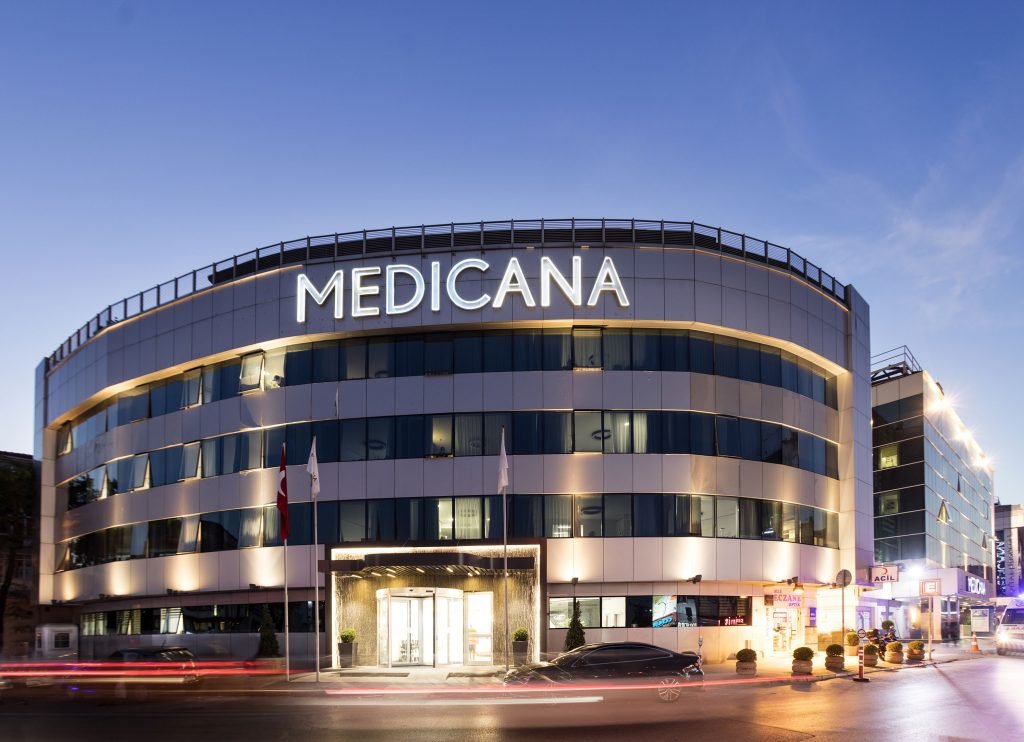
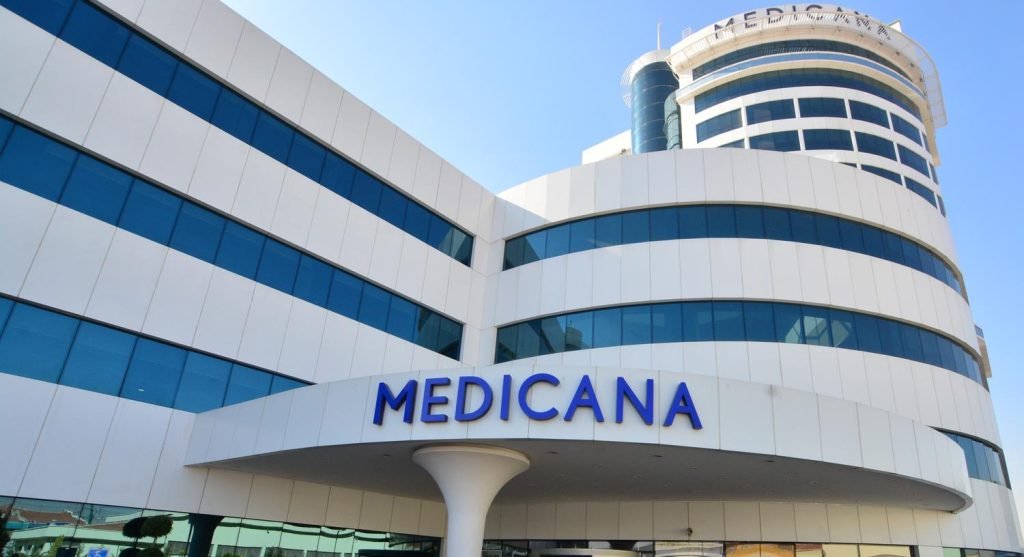


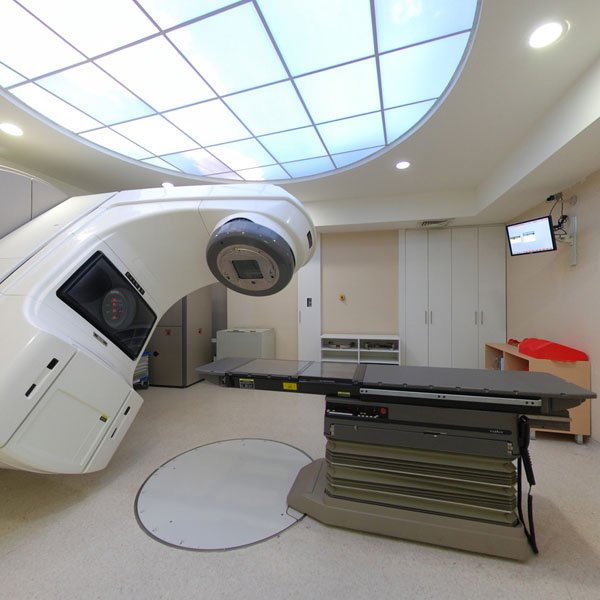
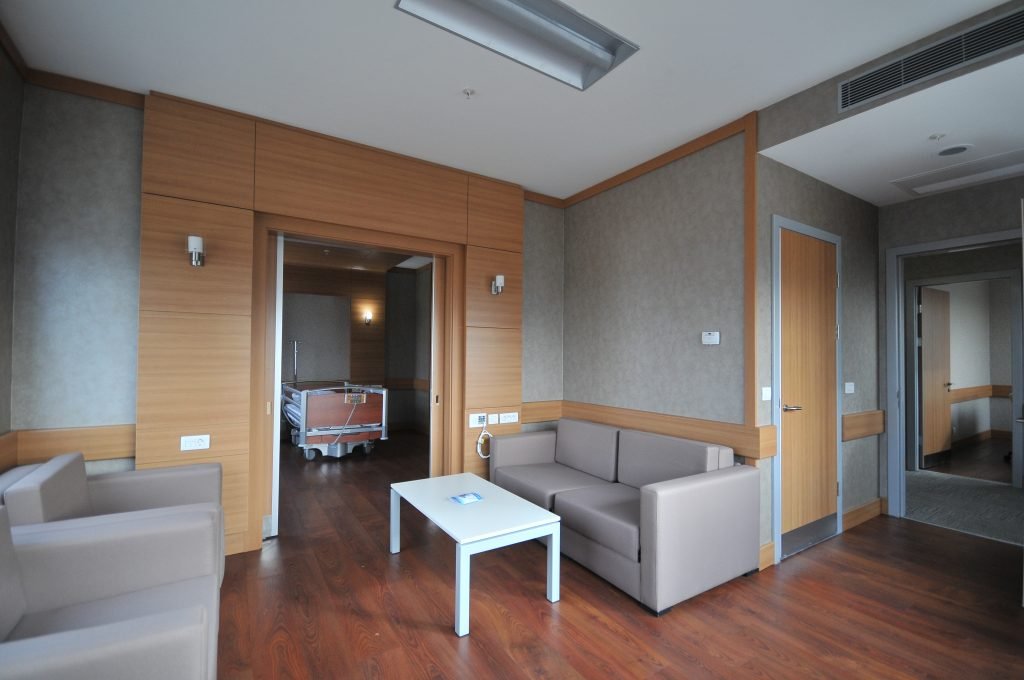






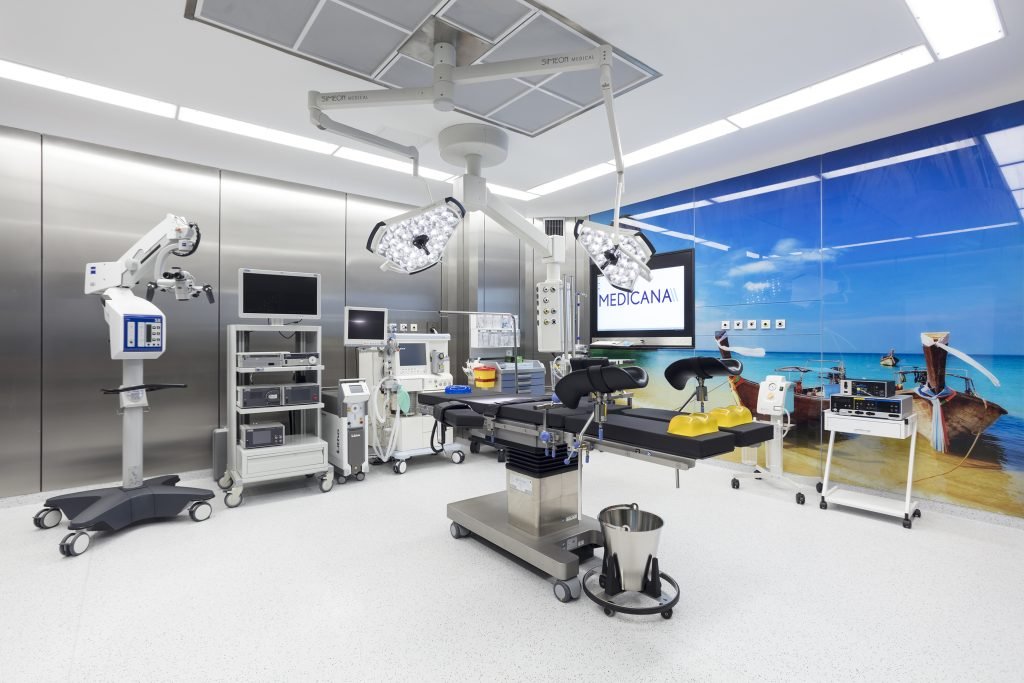


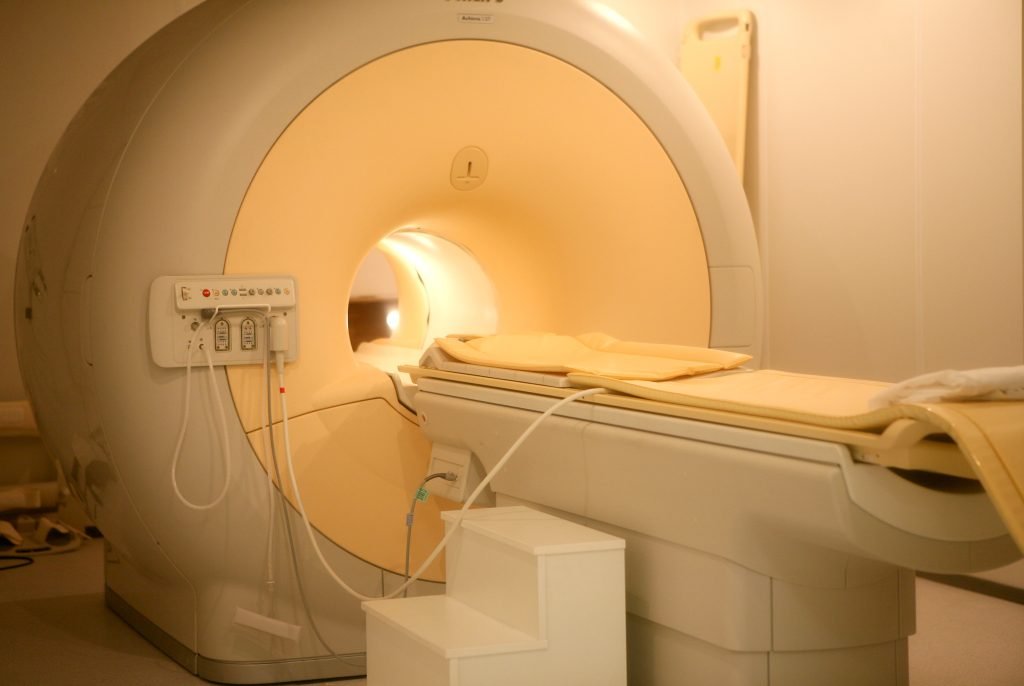
Photographs supplied by Medicana Health Group.
Before you travel — what to expect
- Cost estimates are indicative. If additional procedures or tests prove necessary, the final cost may be higher. The hospital will inform you before proceeding, and any additional amount is payable before you are discharged.
- Price quotations are valid for a limited period and may change.
- Payment is made directly to the hospital, before treatment begins. MG GlobalMed does not receive or handle treatment payments.
- Additional examinations may be required both before and after your procedure.
- Length of stay varies by procedure and by your individual medical assessment.
- All medical decisions are made by the treating hospital's doctors. MG GlobalMed does not provide medical advice and cannot influence clinical decisions.
- MG GlobalMed is a non-exclusive intermediary. We are not a partner, affiliate, or agent of any hospital.
Frequently Asked Questions — Medicana Health Group
Submit a short enquiry through our form or WhatsApp us directly. A coordinator will confirm receipt and explain the next step.
Cost depends on your diagnosis and treatment plan. Medicana Health Group reviews your case and provides a written cost estimate before you travel — MG does not set or mark up hospital pricing.
This varies by treatment. The hospital's proposal will include an expected length of stay, and MG helps you plan travel and accommodation around it.
Many patients travel with a companion. Tell your coordinator early so we can factor it into visa and accommodation planning.
MG guides you through the Turkish visa application as part of the Visa and Travel stage of your journey — see "The Journey" above.
Medicana Health Group's international patient department provides interpreting throughout your visit.
Directly to the hospital — we guide you on how. MG GlobalMed does not accept, hold or store medical reports, scans or test results at any point.
MG checks in on your recovery logistics, and any ongoing clinical follow-up is arranged directly with the hospital.
MG GlobalMed Connect does not charge patients an agent or facilitation fee for medical services. Any representative fee, where applicable, is settled between the hospital and MG GlobalMed Connect directly, not by you.
Tell your coordinator as early as possible. We'll let you know what the hospital's own change or cancellation terms mean for your specific booking.
Ready to take the next step?
Tell us what you're facing, and we'll help you understand what treatment at Medicana Health Group could look like — no obligation, no cost to ask.